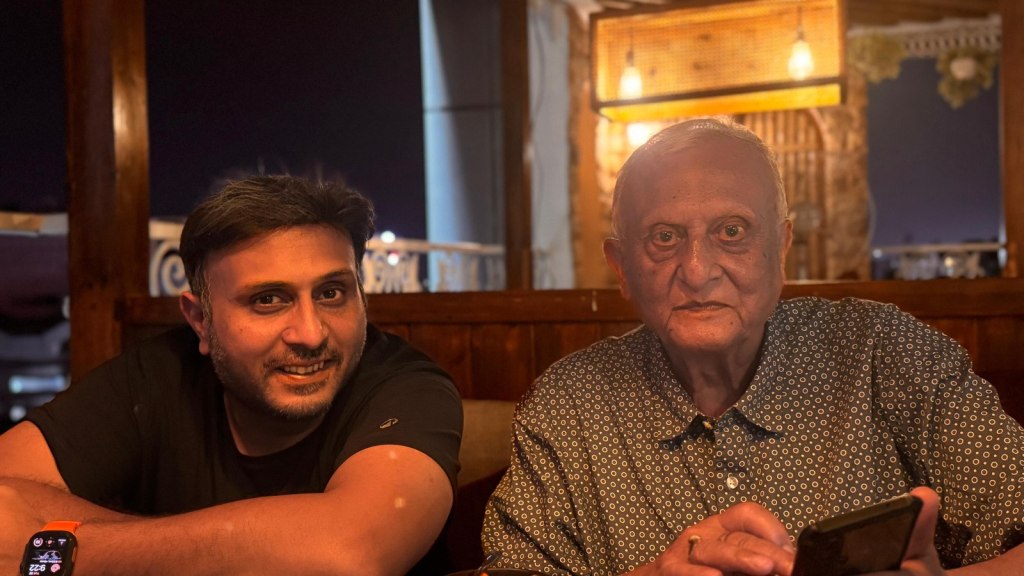
The greatest leadership lesson I learnt didn’t come from a business school. It came from my father.
I have read many books on leadership. I’ve attended workshops, listened to inspiring speakers and learnt frameworks that explain how leaders should think, communicate and make decisions. They have all taught me something. But the lesson that has stayed with me for more than twenty years came from a simple sentence my father said one day.
As you rise, bend more.
At that time, I thought he was talking about humility. Today, after leading teams for over twenty years, I realise he was talking about something much deeper. He was talking about people.
I Didn’t Grow Up Watching a Leader. I Grew Up Watching My Father.
My father spent most of his career managing tea estates in Assam. As a child, I watched him interact with everyone around him: tea plantation workers, senior executives, business partners, vendors, drivers and visitors who happened to walk into his office. What fascinated me wasn’t that everyone respected him. It was that he respected everyone first.
He never changed depending on who stood in front of him. He spoke to a plantation worker with the same warmth and attention that he gave to the Chairman of the company. He remembered people’s names. He remembered their families. He would ask about a sick parent, a child preparing for exams or someone building a new home. He made people feel important.
Back then, I thought that was simply good manners. Today, I know it was leadership.
Respect Is Not Something You Earn. It Is Something You Give.
One lesson stayed with me without my father ever sitting me down to teach it. Respect is not a reward; it is the starting point. Some leaders believe their title deserves respect. My father believed people deserved respect before the title ever entered the conversation.
Looking back, I think that’s why people trusted him so deeply. People rarely remember your designation. They remember how you made them feel.
Leadership Came Earlier Than I Expected.
When I started my career as a lawyer, things moved quickly. At the age of twenty-five, I found myself leading a large team. Many of the people reporting to me had twice my experience and were almost twice my age. Naturally, I wondered whether they would accept me.
I soon realised I didn’t need to prove that I knew everything. I needed to show that I respected what they knew. So I listened. I asked questions. I acknowledged their experience. I involved them in decisions. Whenever they taught me something, I thanked them for it.
Slowly, something changed. People didn’t follow me because I was the youngest manager in the room. They followed because they felt respected. Only years later did I realise I wasn’t inventing my own leadership style. I was simply repeating what I had watched at home.
Leadership Isn’t About Having All the Answers.
Today, after more than two decades of working across law, business development, real estate, construction, procurement and retail, I’ve realised something very simple. People don’t expect leaders to have every answer. They want leaders who genuinely care.
Remember something they told you months ago. Ask about their family. Notice when someone who is usually cheerful becomes unusually quiet. Give them your complete attention when they’re speaking instead of looking at your phone or thinking about your next meeting. Those moments never appear in leadership presentations, yet those are the moments that build trust.
Leadership, I’ve learnt, is not about being the smartest person in the room. It’s about making other people feel that they matter.
Difficult Conversations Are Part of Respect Too.
One thing I admired about my father was that he never avoided difficult conversations. If something was wrong, he would say it. Clearly. Honestly. Sometimes firmly. But he never stopped there.
Later, he would call the person back, explain why he reacted the way he did and listen to their side as well. He corrected behaviour, but he never attacked the person. That distinction has stayed with me throughout my career.
I’ve tried to do the same. There have been moments when I’ve lost my temper. Leadership doesn’t mean you’ll never get emotional. But I’ve always believed it’s important to go back, explain the why, hear the other person’s perspective and make sure the relationship is stronger than the disagreement.
People should leave a difficult conversation knowing they need to improve, not feeling they have become smaller.
The Small Things Matter More Than the Big Ones.
Over the years, I’ve realised that leadership isn’t built during annual conferences or strategy presentations. It’s built in ordinary moments.
It’s remembering someone’s birthday without Facebook reminding you. It’s asking about a parent who was unwell because you genuinely remembered the conversation. It’s giving credit publicly when the work was done by someone else. It’s backing your team when things go wrong and correcting them privately afterwards. It’s trusting people before they completely trust themselves. It’s giving them autonomy instead of constantly checking on them.
I’ve also learnt that mistakes deserve context. Honest mistakes made while trying to do the right thing should become lessons, not labels. If people become afraid of making mistakes, they also become afraid of taking ownership. And without ownership, no team truly grows.
People may forget the presentation you gave. They rarely forget how you treated them on an ordinary Tuesday.
As You Rise, Bend More
Today I lead a much larger team than I ever imagined I would. The responsibilities are bigger. The decisions are more complex. The expectations are higher. Yet I find myself returning to the same sentence my father shared all those years ago.
As you rise, bend more.
The higher you go, the easier it becomes to stop listening. To become impatient. To believe your position makes you more important than others. My father taught me the opposite.
The higher you rise, the more accessible you should become. The more you should listen. The more respect you should show. The more you should make other people feel seen.
Because leadership isn’t measured by how many people report to you. It’s measured by how many people grow because they worked with you.
The Kind of Leader I Hope to Be
If someone works with me for five years, I don’t want them to remember the deals we closed or the projects we delivered. I hope they remember something much simpler.
That I listened. That I respected them. That I trusted them. That I backed them when things went wrong. That I challenged them to become better without making them feel inadequate. That I celebrated their wins before my own. That they always felt they could walk into my office without fear.
If that’s how I’m remembered, I’ll consider my career successful. Not because of the buildings we developed or the stores we opened, but because people left more confident than when they arrived.
One Last Thought
I’ve read many leadership books over the years. They’ve given me frameworks, models and ideas. But the lesson that has shaped me the most didn’t come from a bestselling author.
It came from watching my father quietly lead people in the tea gardens of Assam. He never called it emotional intelligence. He never spoke about servant leadership or organisational culture. He simply treated every person with dignity.
Today, I realise that leadership isn’t about standing taller than everyone else. It’s about bending a little lower so others can stand taller too.
As you rise, bend more.
That’s still the best leadership advice I’ve ever received.
Related reading: If this resonated, you might also like Leadership in the Age of AI: What Will Never Change.
 rahulphukan.com
Leave a comment