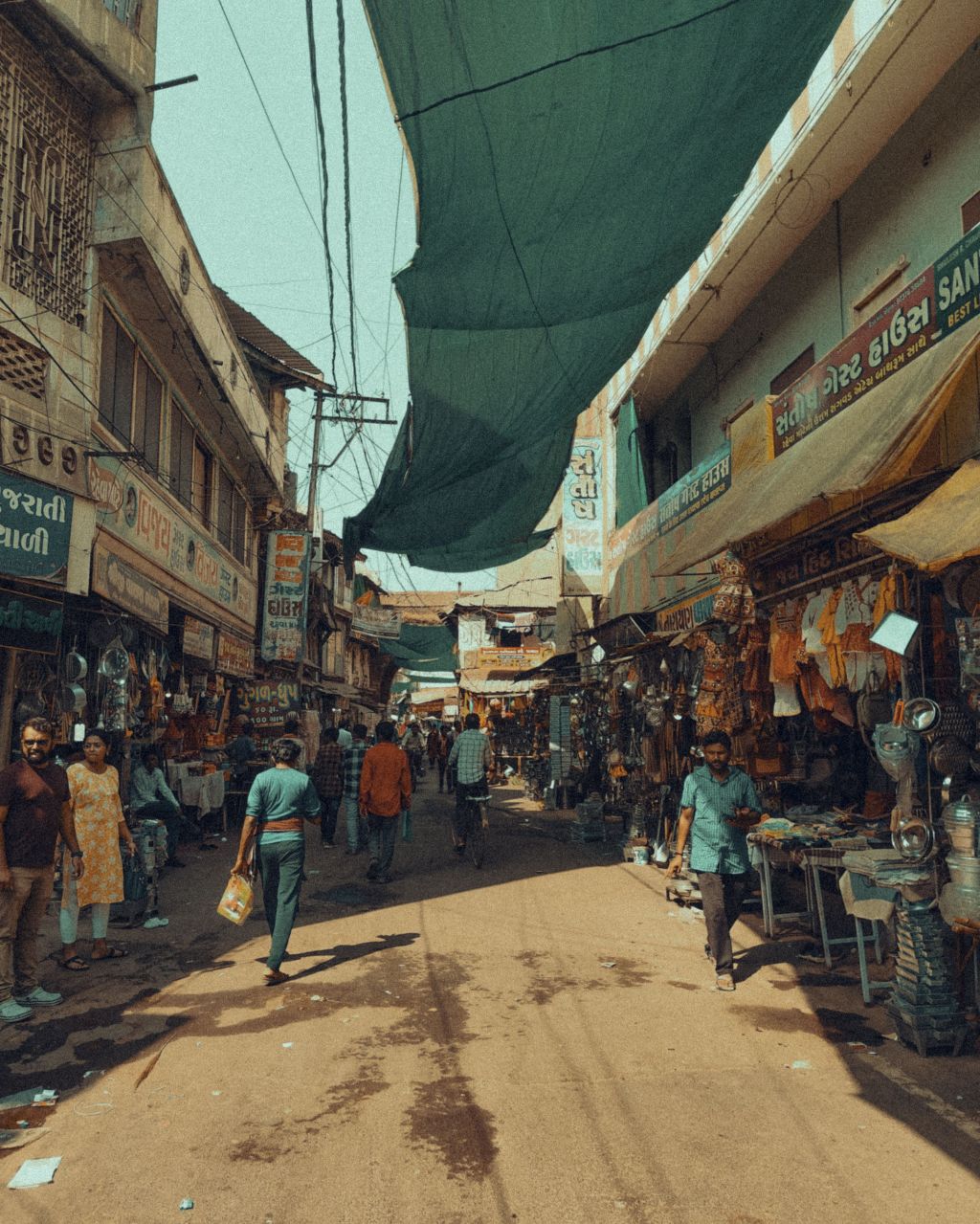
People often think retail is about products, pricing, promotions or finding the perfect location. Those things matter, but they are not where great retail begins.
After spending years travelling across India, walking markets, evaluating neighbourhoods and meeting people from different walks of life, I’ve realised that the best retailers aren’t obsessed with products. They’re obsessed with people.
Whether I was walking through the busy lanes of Mumbai, a residential neighbourhood in Bengaluru, the historic markets of Kolkata, the bustling streets of Delhi, or the vibrant localities of Chennai, one thing became obvious: every place has its own personality, every community has its own rhythm, and every customer has a different story.
Every successful store begins with one simple question: who are we serving? Once you answer that honestly, decisions about products, pricing, customer experience and marketing become much easier.
Here are seven lessons retail has taught me about understanding people.
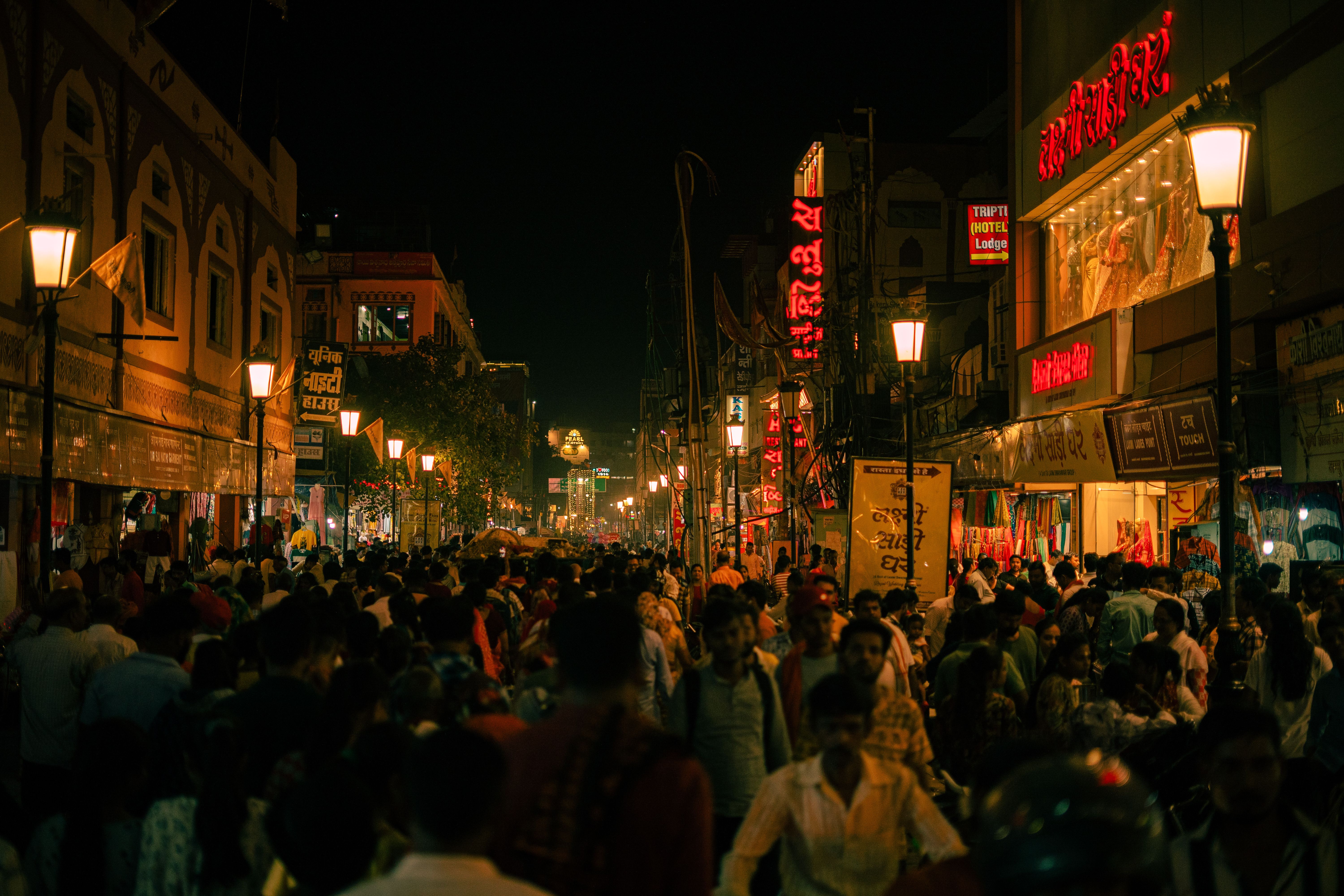
Lesson 1: People Buy Dreams, Not Products
People rarely buy products simply because they need them. They buy what those products help them become. A pair of running shoes represents a healthier lifestyle. A bicycle means freedom for a child, fitness for an adult or adventure for someone looking to explore. Camping equipment isn’t just gear. It’s the promise of a weekend away from busy city life.
Nike understood this decades ago. It doesn’t really sell shoes. It sells confidence, determination and the belief that anyone can push themselves further. “Just Do It” isn’t about footwear. It’s about possibility.
The best retailers understand that customers don’t just buy products. They buy a better version of themselves.
Lesson 2: Every Mohalla Has Its Own Story
One of the biggest mistakes retailers make is believing that customers are the same everywhere, and they aren’t.
A neighbourhood in Delhi shops differently from one in Chennai. Families in Kolkata often have different traditions, priorities and spending habits compared to those in Mumbai. Even within the same city, two localities just a few kilometres apart can feel like completely different worlds. Walk through South Delhi and Old Delhi, Indiranagar and Jayanagar, Bandra and Dadar, or T. Nagar and Adyar, and you’ll quickly realise that no two communities shop the same way.
McDonald’s understood this well. It built a global brand but adapted its menu to local tastes. The McAloo Tikki wasn’t created because the company wanted variety. It was created because Indian customers wanted something different.
Retail works the same way. Great businesses don’t expect every mohalla to behave alike. They first understand the community before deciding how to serve it.
Lesson 3: Tea Stalls Teach More Than Spreadsheets
Retail has access to more data today than ever before. Population density, household income, purchasing power, traffic counts and catchment analysis all help businesses make smarter decisions. But numbers only tell part of the story.
Some of my best insights have never come from a dashboard. They’ve come from standing at a neighbourhood tea stall, chatting with a taxi or auto driver, asking the local grocery store owner which products sell the fastest, speaking to a security guard who watches people come and go every day, or even the neighbourhood dhobi who knows which families have recently moved in and how the locality is changing.
These people observe a community every single day. They notice when new apartment complexes fill up, when young professionals replace retired residents, when schools get busier, when festivals change shopping patterns and when customers start asking for products that never sold before.
A spreadsheet can tell you how many people live in a neighbourhood. It cannot tell you whether families prefer shopping together on weekends or stopping by after work. It cannot explain why one market stays busy late into the evening while another becomes quiet after sunset. It won’t tell you why one kirana stocks three varieties of millet while another gives an entire shelf to instant noodles.
Amazon is famous for using data to improve customer experiences, but it also spends enormous effort understanding customer behaviour. It knows that data explains patterns, while observation explains people.
The best retailers combine analytics with local conversations, because sometimes the most valuable market research comes from the people who live and work in the neighbourhood every day.
Lesson 4: Stay Curious. Every Bazaar Changes.
Cities never stop changing, and neither do people.
A market that was thriving five years ago may look completely different today. New roads open. Metro stations arrive. Residential projects come up. Offices move. Young families replace older ones. Customer expectations evolve.
Netflix recognised this early. It transformed itself from a DVD rental business into one of the world’s biggest streaming platforms because it kept paying attention to changing customer behaviour.
Retail is no different. The businesses that stay curious will always outperform the businesses that become comfortable.
Lesson 5: Every Purchase Has a Story
Most of us believe we make logical buying decisions. We don’t.
We travel across the city for our favourite restaurant. We willingly pay more for brands we trust. We buy gifts because they express love, gratitude or celebration.
IKEA understands this beautifully. It doesn’t simply display furniture. It helps customers imagine a different home and, in many ways, a different life.
Every purchase has a story behind it. Good retailers sell products. Great retailers understand the story.
Lesson 6: Trust Is Earned Before the First Sale
Customer loyalty rarely comes from discounts alone. It grows through consistency, honesty and reliability.
People return because they know what to expect: helpful staff, honest advice, transparent pricing, reliable products. Small positive experiences repeated over time create trust.
Tanishq transformed jewellery retail in India by making trust its biggest strength. Jewellery is one of the most emotional purchases people make, and Tanishq understood that confidence matters more than clever advertising.
Customers may visit because of price. They return because of trust.
Lesson 7: Listen Before You Sell
The best retailers don’t begin by asking, “What do we want to sell?” They begin by asking, “What do people really need?”
That one question changes everything. It influences product selection, store design, customer service, pricing and even where the next store should open.
Taj Hotels has built its reputation around understanding this principle. Guests often forget the room number they stayed in, but they remember how they were treated. Small gestures, thoughtful service and genuine care leave lasting impressions.
Retail works exactly the same way. Customers may forget the product they bought. They rarely forget how a business made them feel.
Learning So Far
The longer I work in retail, the less I see it as the business of selling products and the more I see it as the study of people.
Data is essential. It helps us compare markets, understand demographics and identify opportunities. But data tells only half the story. The other half is discovered on the ground.
It comes from walking through a mohalla, spending time in the local bazaar, talking to shopkeepers, listening to customers and observing how people actually live. It comes from understanding local habits, local aspirations and local culture.
India isn’t one market. It’s thousands of markets. What works in Delhi may not work in Chennai. What succeeds in Mumbai may need a completely different approach in Kolkata. And even within these cities, every mohalla has its own personality. A neighbourhood changes every few kilometres, bringing with it different aspirations, spending habits, family structures and lifestyles.
That’s why data alone is never enough. It tells us where an opportunity exists, but rarely why people behave the way they do. The real insights come from walking the streets, sitting at a neighbourhood tea stall, speaking to local shopkeepers and understanding the culture of a place. In India, consumer behaviour is also shaped by sociological factors such as religion, language, caste, family structures, local traditions and festivals. These influences are often invisible in a dashboard but become obvious when you spend time in the community.
Great retail respects India’s diversity. It combines data with local conviction, analytics with observation, and strategy with empathy. Businesses that understand local behaviour will always build stronger relationships than those that rely only on dashboards.
Products can be copied. Prices can be matched. Technology will continue to evolve. But a genuine understanding of people and place is much harder to replicate.
That is why great retail doesn’t begin with products. It begins with understanding people.
Related reading: If this resonated, you might also like The Future of Retail in India: 10 Trends Every Business Owner Should Watch.
 rahulphukan.com
Leave a comment